Life moves fast. Between work responsibilities, school schedules, and everyday busyness, it can feel like there’s little time to pause and reflect on the deeper impact of what we do as fathers. But what if I told you that some of the most powerful lessons we teach our children aren’t through lectures or corrections, but through the traditions and rhythms we establish in our homes?
The Role of Traditions in Family Life
Traditions are more than just rituals; they are a framework of stability, security, and identity for our families. Whether it’s a yearly vacation, a bedtime prayer routine, or a special way of celebrating holidays, these intentional practices create a sense of belonging for our children.
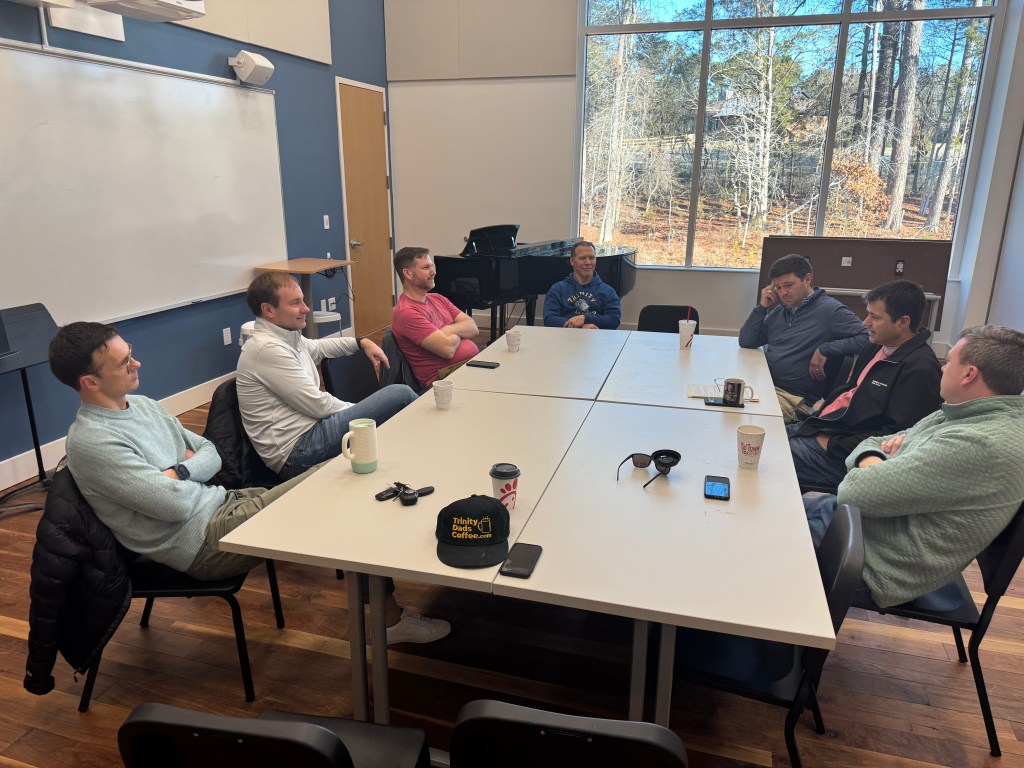
One father in our group mentioned that he didn’t realize how meaningful traditions were until they skipped one year, and his kids immediately noticed. The absence of something they had come to expect revealed just how much they valued it. It reminds us that what might seem small or routine to us as parents can leave a lasting imprint on our children’s hearts.
Biblical Backing:
- “Teach them to your children, talking about them when you sit at home and when you walk along the road, when you lie down and when you get up.” – Deuteronomy 11:19
- “A good person leaves an inheritance for their children’s children.” – Proverbs 13:22
In many ways, traditions are part of the inheritance we pass down—not just in terms of memories but in the values and faith we instill.
Traditions Help Shape Character and Provide Stability
Life is unpredictable. Kids experience a world that is constantly changing—new schools, friendships, cultural shifts, and personal struggles. In the midst of this, traditions offer an anchor, something they can count on no matter what.
As fathers, our goal is not only to protect and provide but also to help our children develop resilience and identity. Traditions accomplish this by reinforcing:
- Security: A familiar rhythm brings comfort, reminding kids that they are loved and part of something bigger.
- Belonging: Shared experiences strengthen family bonds, giving kids a sense of connection.
- Values: Our traditions can reflect and reinforce biblical principles and family priorities.
When our kids look back, they won’t just remember what we said—they will remember what we did consistently.
Navigating the Negotiation of Traditions
One of the biggest challenges as men is merging the traditions we grew up with and the expectations of our wives and extended families. Many men enter marriage expecting to continue their childhood traditions, only to realize their wives have the same expectation.
Over time, we must negotiate: What do we keep? What do we adapt? What do we start anew?
This is especially challenging when children marry and begin their own families. One man shared that as his kids grew older, he had to learn to extend grace, understanding that they would establish their own traditions, and that was okay.
Biblical Backing:
- “Do nothing out of selfish ambition or vain conceit. Rather, in humility value others above yourselves.” – Philippians 2:3
- “Be completely humble and gentle; be patient, bearing with one another in love.” – Ephesians 4:2
As leaders of our homes, we have the responsibility to create a culture of love and flexibility, making traditions about connection rather than control.
Mountain and Valleys Exercise
The “Mountains and Valleys” exercise was originally developed by Viktor Frankl during his time in Auschwitz. This reflective tool helps individuals discern the key people, moments, and events that have defined their lives.

To do this exercise, chart your life’s most significant moments, placing joyful and serendipitous events—such as new relationships, accomplishments, or defining experiences—on the “mountain” side, rating them from 1-10 based on intensity. On the “valley” side, include the hardest moments—losses, disappointments, betrayals, or hardships—also rated from 1-10.
To go deeper, ask yourself these questions:
- What happened? NAME IT
- What did you feel? EMBRACE IT
- How did you respond? OWN IT
- How did this shape you? UNDERSTAND IT
- What did you learn? EXTRACT IT
- How can you grow from this? USE IT
How This Exercise Can Shape Family Traditions:
- Helps parents reflect on their own life experiences and defining moments, shaping how they approach parenting and the traditions they create.
- Identifies patterns or lessons that can be intentionally passed on to children.
- Can be done as a family activity to foster meaningful conversations and deepen connections.
- Models vulnerability and provides a framework for children to reflect on their own experiences as they grow.
- Encourages intentionality in building a family culture centered around faith, resilience, and growth.
The Power of Memories and Imprinting Goodness
Another powerful takeaway is that the traditions we establish leave an imprint on our children’s hearts. One father mentioned the importance of documenting moments—using photos, making memory books, or even setting up digital slideshows.
Looking through old pictures isn’t just about nostalgia—it’s about reinforcing the goodness of the life they’ve been given. It reminds them of the love, the fun, and the security they experienced growing up.
As Dallas Willard said, “Peace is resting in goodness, and beauty is goodness made manifest to the senses.” Our traditions should be a way to manifest beauty in our children’s lives.
Actionable Steps to Implement Traditions
- Identify Core Traditions – Evaluate the traditions you currently practice and determine which ones you want to continue, modify, or introduce.
- Prioritize Family Time – Set aside regular time for shared activities such as game nights, family meals, or devotional times.
- Create a Memory System – Use photo albums, journals, or digital slideshows to document and revisit special family moments.
- Engage Your Children – Involve your kids in shaping family traditions by asking them what experiences they cherish most.
- Balance Tradition with Flexibility – Be open to adapting traditions as family dynamics evolve over time.
- Make Faith Central – Establish spiritual rhythms such as regular prayer, Bible reading, and service projects to reinforce faith in everyday life.
- Teach Through Experiences – Use real-life events, both joyful and challenging, to teach important life and faith lessons.
- Lead by Example – Consistently demonstrate the values and behaviors you want to pass down to your children.
Final Thoughts
Traditions are more than habits—they are powerful tools to shape our families with purpose, love, and faith. As fathers, we have the incredible responsibility and privilege to create environments where our children feel secure, connected, and loved.
Let’s be intentional in shaping traditions that will anchor our families in the goodness of God, provide stability in an ever-changing world, and ultimately point our children toward Christ.
What are some traditions in your family? Have you faced challenges in establishing them? Share in the comments below!
 Trinity Dad's Coffee
Leave a comment